Beet Puree for Baby Easy, Smooth & Freezer-Friendly (6 Months+)

Beet puree is a bright, naturally sweet-earthy first food that is simple to make at home. Steam the beets until completely soft, blend them with a little fresh liquid, and you get a smooth puree that can be served on its own or paired with apple, pear, sweet potato, yogurt, or lentils. The vivid color makes it fun to serve, while the flexible texture makes it easy to adapt as your baby becomes more confident with solids. It can be offered from around 6 months when your baby is developmentally ready for complementary foods.
New to solids? Start with our First Foods for Baby at 6 Months guide for readiness, textures, and beginner-friendly food ideas
Quick Recipe at a Glance
- Age: Around 6 months+ when baby is ready for solids
- Ingredients: 3 medium beets + 1/3 cup fresh water, breast milk, or prepared formula
- Prep: About 5 minutes
- Cook: 30–40 minutes, until very soft
- Blend: 1–2 minutes
- Makes: About 4 small baby servings
- Best texture: Smooth and spoonable for beginners
- Freezer-friendly: Yes
Why You’ll Love This Beet Puree
- Only two basic ingredients are needed for the plain puree.
- Steaming makes the beets very tender and easy to blend.
- The texture can move from silky smooth to thicker as feeding skills develop.
- Small portions can be frozen for quick future meals.
- Beet pairs easily with fruit, vegetables, yogurt, and lentils.
- No added salt or sugar is needed.
How to Choose Beets for Baby
Choose beets that feel firm and heavy for their size, with skin that is mostly smooth and free from deep soft spots. Small to medium beets are convenient because they usually cook more evenly than very large ones. Red beets give the classic deep pink-purple puree, while golden beets can also be used and may make less mess on hands and clothes. If the leafy tops are still attached, fresh-looking greens are a useful sign of freshness, but the root itself matters most. Store uncooked beets in the refrigerator until you are ready to prepare them.
Ingredients You’ll Need

- 3 medium fresh beets, scrubbed well
- 1/3 cup fresh water, expressed breast milk, or correctly prepared infant formula, plus a little more only if needed
- Optional: a tiny pinch of cinnamon after your baby has already tolerated it
Skip: salt, added sugar, honey, pickled beets, or heavily salted canned beets.
How to Make Beet Puree for Baby
Step.1 Wash
Scrub the beets thoroughly and trim the stem and root ends. Leave the skins on for cooking.

Step. 2 Steam
Place the whole beets in a steamer basket over about 2 inches of simmering water. Cover and steam for 30–40 minutes. Check the water level during cooking.

Step. 4 Check for softness
A knife should slide in easily and a cooled piece should mash with gentle finger pressure. If still firm, cook longer.

Step. 4 Cool and peel
Let the beets cool until safe to handle, then rub or slip off the skins and discard them.

Step. 5 Blend
Cut the peeled beets into chunks. Add them to a blender with 1/3 cup fresh liquid. Blend for 1–2 minutes until completely smooth. Add only a splash more liquid if needed.

Step. 6 Serve
Spoon a small amount into a baby bowl, stir, and let it cool to a safe temperature before feeding.

Getting the Texture Right

- Texture matters more than making the puree look perfectly smooth in a photograph. For a baby just beginning spoon-fed solids, aim for a soft puree that sits on the spoon but falls off easily. If it is so thick that it holds a stiff peak, blend in fresh liquid one tablespoon at a time. If it becomes runny, blend in a little more cooked beet or a spoonful of cooked sweet potato.
- As your baby gains feeding skills, you do not need to keep every meal completely silky. You can gradually use less liquid or mash some cooked beet with a fork to create a thicker, more textured consistency. Follow your baby’s developmental readiness rather than changing texture only because a certain birthday has passed.
How to Serve Beet Puree
- Around 6 months: offer a small amount of smooth, spoonable puree when baby is ready for solids.
- As skills develop: make the puree gradually thicker instead of keeping every serving completely smooth.
- For self-feeding: use very soft, developmentally appropriate beet preparations and supervise closely.
- Keep baby seated upright while eating and avoid feeding while reclining, walking, or playing.
- Let appetite guide the portion. A few tastes can be enough when a food is new.
Easy Beet Puree Combinations

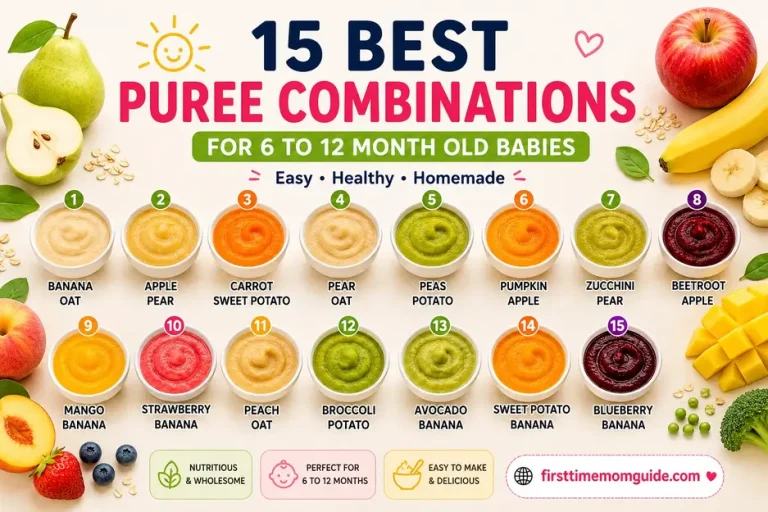
Once the individual ingredients have already been introduced safely, these simple combinations can make beet puree more varied:
- Beet + apple: blend cooked beet with soft cooked apple for a milder, naturally sweet flavor.
- Beet + pear: soft ripe or cooked pear lightens the earthy beet flavor and keeps the blend smooth.
- Beet + sweet potato: useful when you want a thicker, creamy puree that stays well on a spoon.
- Beet + plain whole-milk yogurt: stir a small spoonful of beet puree into plain pasteurized yogurt for a creamy pink mixture.
- Beet + blueberry: combine with softened blueberries for a fruity blend with a naturally deep purple color.
- Beet + red lentils: blend with well-cooked lentils and enough liquid for the desired texture for a more substantial savory option.
- Beet + mango: ripe mango adds a soft, sweet contrast and works well without extra sweetener.
For a naturally sweet pairing, try our Apple Puree for Baby recipe next
Beet Nutrition: What Parents Should Know
Beets provide fiber, folate, potassium, and naturally occurring plant compounds, so they can be one colorful part of a varied complementary-feeding diet. They are not a complete meal by themselves, so continue offering iron- and protein-rich foods too. Beets naturally contain nitrates; concerns are greatest for very young infants rather than healthy babies starting complementary foods at around 6 months. If your baby was premature or has a medical condition, ask your pediatrician for individualized advice.
Storage & Freezing

- Freeze plain puree in small portions for up to 3 months for best quality.
- Once portions are frozen solid, transfer them to a clean freezer-safe container or bag and label the date.
- Thaw the amount you need in the refrigerator rather than leaving it on the counter.
- Use thawed puree within 24 hours and do not refreeze it.
- Reheat only the portion you plan to serve, stir thoroughly, and allow it to cool to a safe temperature.
- Serve from a separate bowl and discard food that has been in contact with a used feeding spoon.
Common Beet Puree Mistakes to Avoid
- Stopping cooking too early: firm beet is harder to blend and may leave a gritty texture. Cook until genuinely soft.
- Adding all the liquid at once: beet can become watery quickly. Blend first, then adjust in small amounts.
- Using pickled or heavily salted beets: plain beet gives you better control over added salt, sugar, and flavor.
- Making every portion huge: freeze small amounts so you can thaw only what your baby is likely to eat.
- Saving food from the feeding bowl: saliva from a used spoon can contaminate leftovers, so discard that portion.
- Expecting immediate acceptance: a new earthy flavor may take several calm, pressure-free exposures.
Best Tips for Success
- Choose similar-size beets so they finish cooking at roughly the same time.
- Test the thickest part for softness before removing the beets from the steamer.
- Use a high-speed blender or small food processor for the smoothest beginner texture.
- Add liquid slowly and remember that you can always thin the puree later.
- Golden beets can be prepared the same way and usually create less staining.
- Freeze extra puree early rather than waiting until it is close to the end of its refrigerator storage time.
- Use an easy-to-wash bib and surface beet pigment can stain.
Conclusion
Beet puree is an easy way to add a new vegetable flavor, vivid color, and variety to your baby’s early meals. The key is simple: cook the beets until completely soft, blend to a texture that suits your baby’s current feeding skills, and keep the first servings small and relaxed. Once beet is familiar, try it with apple, pear, sweet potato, yogurt, lentils, or mango, or serve it alongside other foods instead of blending everything together. Freeze extra plain puree in small portions so a homemade option is ready when you need it, and continue offering a varied diet that includes iron-rich foods as your baby explores solids.
Want another colorful vegetable first food? Try this smooth Carrot Puree for Baby recipe
Disclaimer
This recipe is intended for general educational purposes and is not a substitute for medical or individualized feeding advice. Most babies begin complementary foods at around 6 months when developmentally ready, but every baby is different. Consult your pediatrician or a qualified healthcare professional if your baby was born prematurely, has a medical condition, food allergy, feeding difficulty, or special nutritional needs. Always prepare food to an appropriate texture, keep your baby seated upright and supervised while eating, and follow safe food preparation and storage practices. If you notice a concerning reaction, significant choking event, or unexplained or persistent red stool or urine, seek appropriate medical advice.
FAQ’s
Q.1 Can a 6-month-old have beet puree?
For a healthy baby who is developmentally ready for solids at around 6 months, beet can be offered as part of a varied diet. Ask your pediatrician for individual advice if your baby was premature, has a medical condition, or has special feeding needs.
Q.2Why can poop or pee look pink after beets?
Beet pigments can temporarily tint stool or urine pink or red. You cannot reliably identify blood by appearance alone. If the color is unexplained, persistent, occurs when beets were not eaten, or your baby seems unwell, contact a healthcare professional.
Q.3 Do I have to peel beets before steaming?
No. Steaming them with the skin on is convenient because the loosened skin usually rubs away easily after cooking and cooling.
Q.4 Can I use pre-cooked beets?
Yes. Choose plain, unpickled, unsalted beets and check the ingredient list. Avoid products packed in strongly seasoned or salty liquid.
Q.5 Can I use golden beets?
Yes. Golden beets can be cooked and blended in the same way. The flavor and final color will differ, but the method is essentially the same.