Potato Puree for Baby: Easy, Creamy First Food Recipe
Potato puree sounds almost too simple to get wrong—until a perfectly good potato turns sticky and gluey in the blender. The good news is that a creamy potato puree for baby takes only a few basic steps once you know what to watch for. The potato needs to be fresh, cooked until truly soft, and blended or mashed with a light hand. Those small details make the difference between a smooth, spoonable puree and a heavy, gummy one.
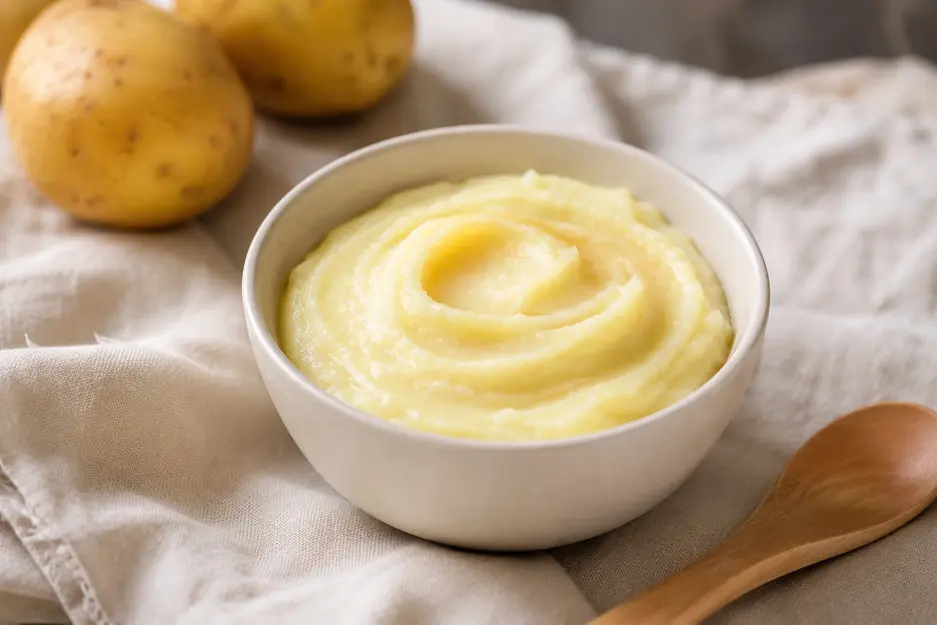
This recipe is designed for parents who want an uncomplicated first-food option without turning baby meal prep into a project. You will learn how to choose and inspect potatoes, cook them safely, adjust the texture to your baby’s current eating skills, store leftovers, and build simple combinations once plain potato has been introduced. There is also an important safety check for green or heavily sprouted potatoes that is worth knowing before you start.
f your baby is just starting solids, explore our first foods for baby at 6 months guide to learn about readiness, textures, and other foods to introduce.”
Why You’ll Love This Recipe
- One main ingredient keeps shopping and preparation simple.
- The mild flavor is easy to pair with vegetables, lentils, chicken, yogurt, or other familiar foods.
- You can make the texture thinner, thicker, or softly mashed depending on your baby’s eating skills.
- It is inexpensive, widely available, and practical for small-batch meal prep.
- The recipe can be steamed or boiled, so no special cooking method is required.
- A few short blending pulses are usually enough, which makes the recipe quick once the potato is cooked.
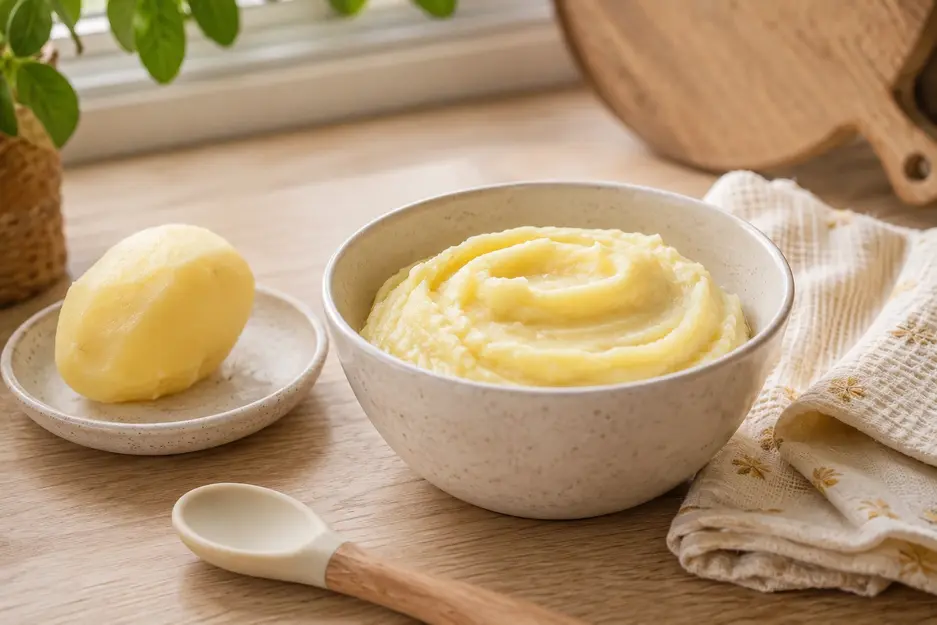
Potato is also useful because it does not have to stay a plain puree forever. As your baby becomes comfortable with more textures, the same cooked potato can move from a smooth puree to a thicker mash and later to very soft, appropriately prepared pieces. That makes it an ingredient you can keep using rather than a recipe that only works for one short stage.
Nutritional Benefits of Potato for Baby
Potatoes provide carbohydrate for energy and contain nutrients including vitamin B6, vitamin C, folate, potassium, and smaller amounts of iron and zinc. The exact nutrient profile varies by potato type and preparation. For babies, potato works best as one part of a varied diet rather than as a stand-alone source of iron or other key nutrients.
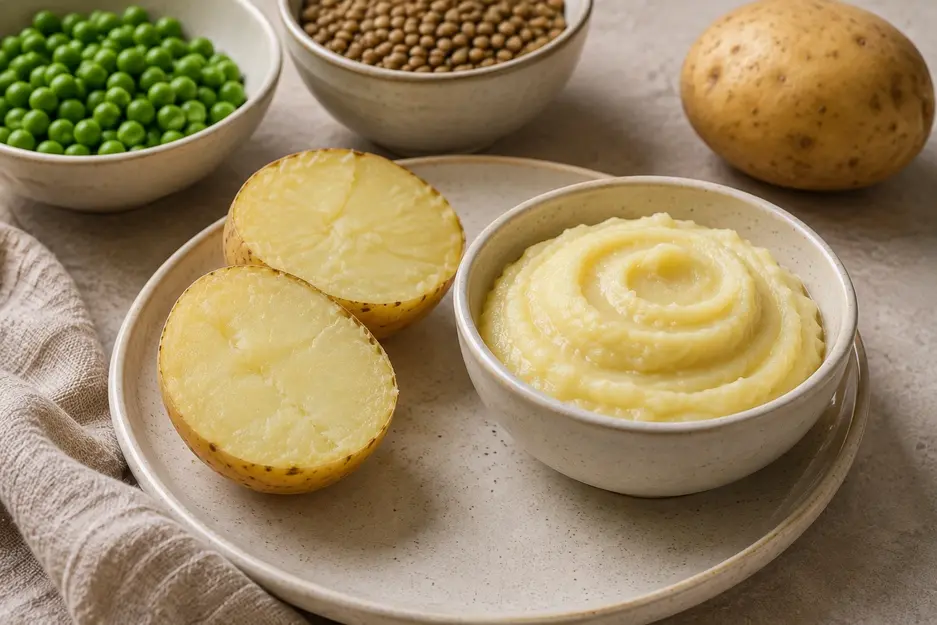
Potatoes can also contain resistant starch, particularly after cooking and cooling. Resistant starch reaches the large intestine and can be fermented by gut bacteria. That is an interesting nutritional feature, but it is better to think of potato as one useful food in a varied menu rather than as a treatment for digestion or gut health. Pairing potato with iron-rich foods such as lentils, beans, meat, or other suitable foods can make a meal more nutritionally rounded.
Ingredients
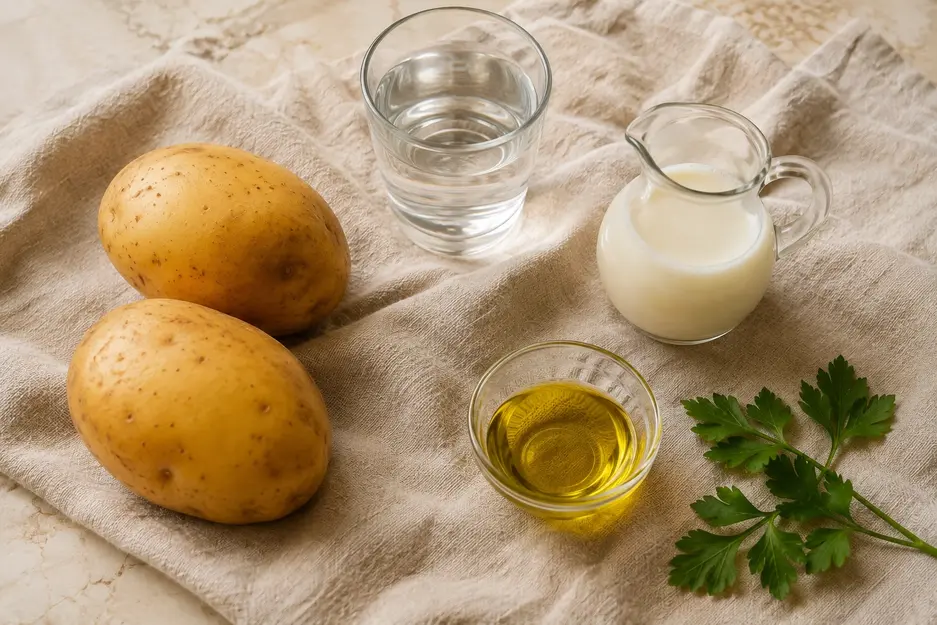
Main Ingredient
- 2 medium potatoes, such as Yukon Gold or Russet
Optional Additions
- A small amount of water, breast milk, or correctly prepared formula to adjust consistency
- A drizzle of olive oil for extra richness
- A small amount of unsalted butter after dairy has been introduced appropriately
- A mild herb such as parsley after your baby is comfortable with plain potato and other simple foods
Do not add salt to food for babies under 1 year. A baby’s diet does not need added salt, and keeping the puree unsalted also makes it easier to combine with other baby-friendly foods later.
Ingredient Buying Tips
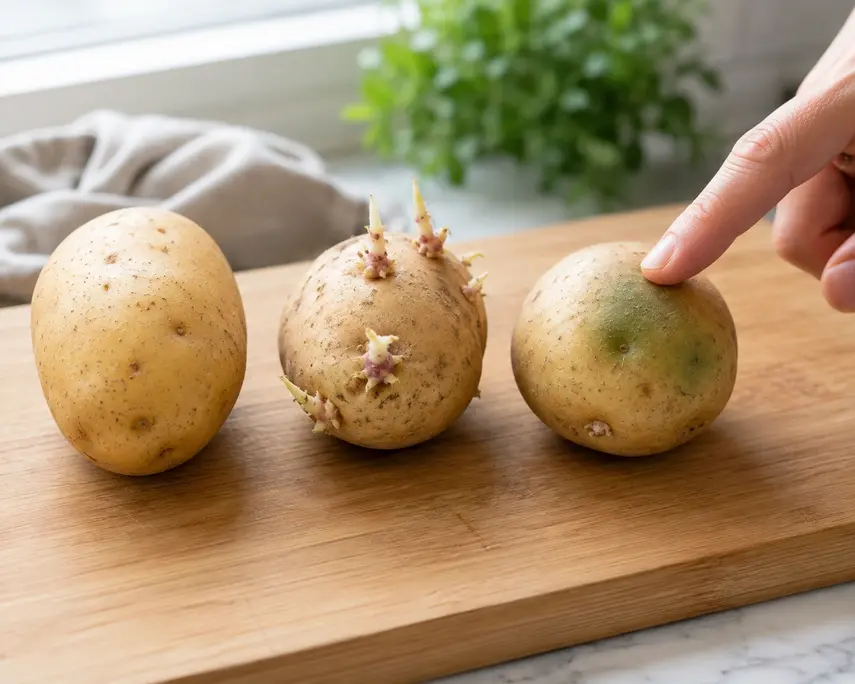
Choose potatoes that feel firm and look fresh. Avoid potatoes that are soft, moldy, badly shriveled, extensively green, bitter-smelling, or heavily sprouted. Small eyes or a tiny affected area can be removed generously, but for baby food it is sensible to start with the freshest potato available. Organic potatoes are optional rather than necessary; freshness, proper inspection, washing, and preparation matter more for this recipe.
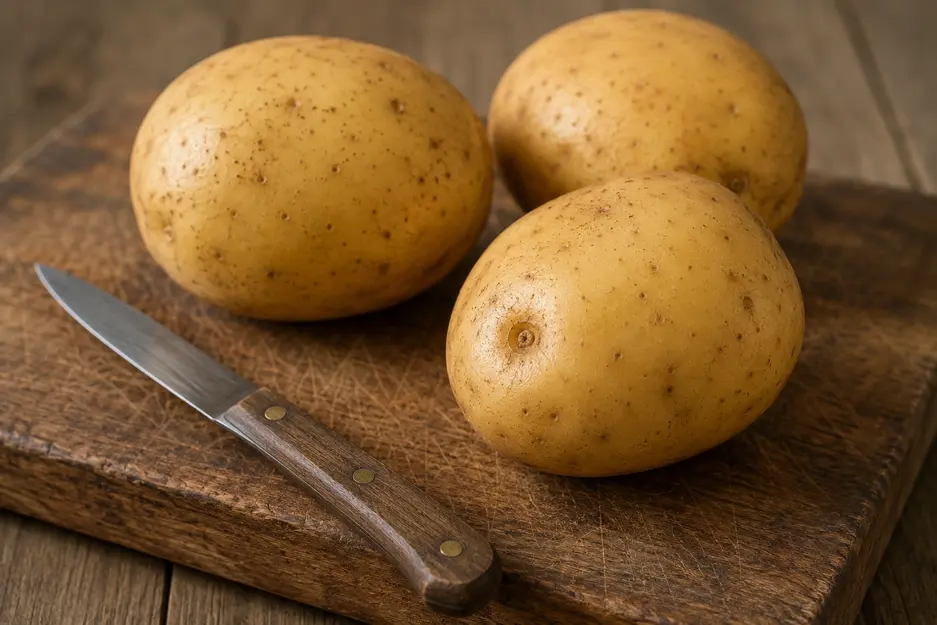
Yukon Gold potatoes are naturally creamy and tend to make a smooth mash with a pleasant yellow color. Russets are starchier and can also work well, but they are easier to over-process into a gluey texture. Whichever variety you use, buy only what you can store properly in a cool, dark, dry place and inspect again before cooking.
Equipment Needed
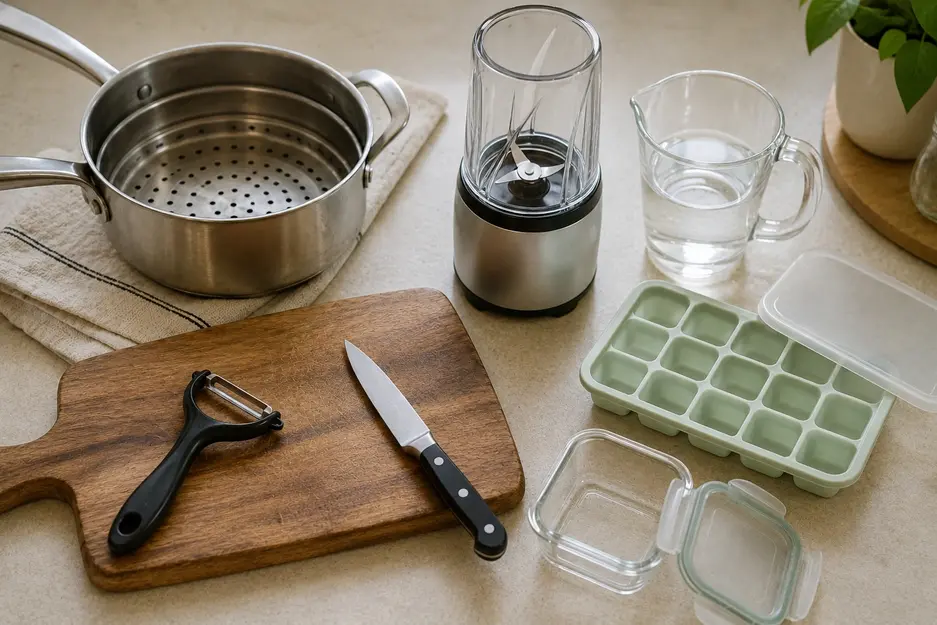
- Vegetable peeler
- Cutting board and knife
- Small saucepan or steamer
- Blender, food processor, or potato masher
- Measuring spoon or small cup for adding liquid gradually
- Small airtight containers or a freezer tray for leftovers
How to Make Potato Puree for Baby: Step by Step
The key is to cook the potato until completely tender and then process it only as much as necessary. Potato starch can become sticky when worked too aggressively, so gentle blending or mashing gives a better result.
Step 1: Wash and Peel
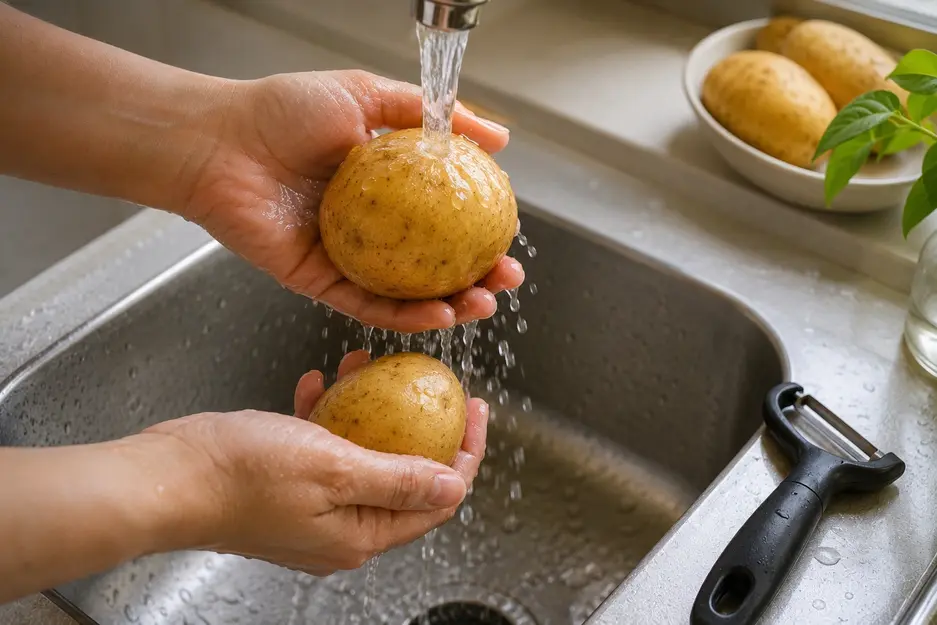
Rinse the potatoes thoroughly under running water. Peel them completely for this puree. Peeling gives a smoother result and also makes it easier to inspect the potato flesh before cooking. Keep the work surface and utensils clean, especially when preparing food for a young baby.
Step 2: Inspect the Potato
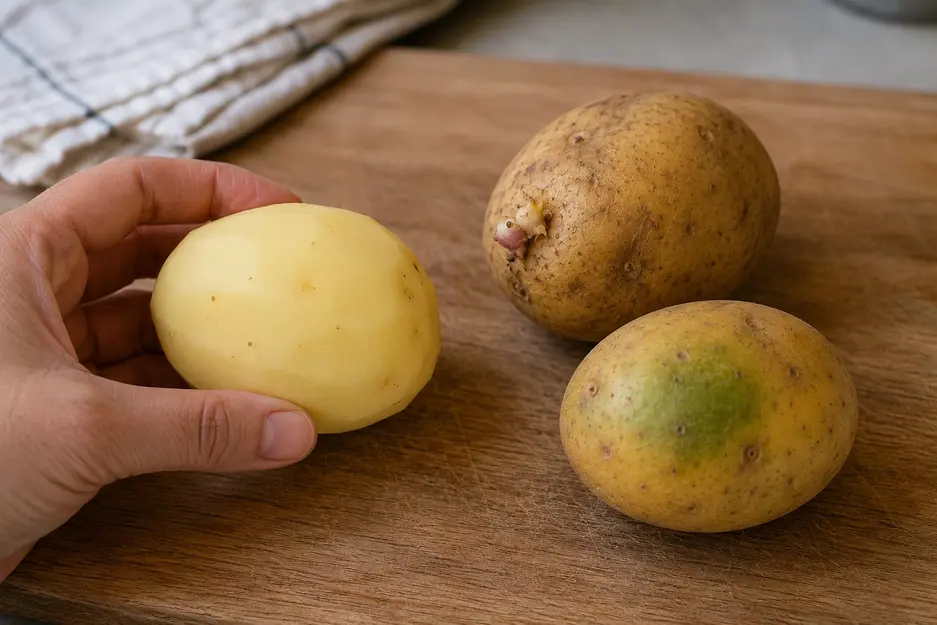
Look for green areas, deep discoloration, spoilage, or sprouts. Potatoes contain natural glycoalkaloids, including solanine and chaconine, and levels can be higher in green areas, sprouts, and eyes. Remove a small affected area generously. If the potato is extensively green, bitter, spoiled, or heavily sprouted, discard it rather than relying on cooking to make it suitable for a baby recipe.
Step 3: Cut Into Even Pieces
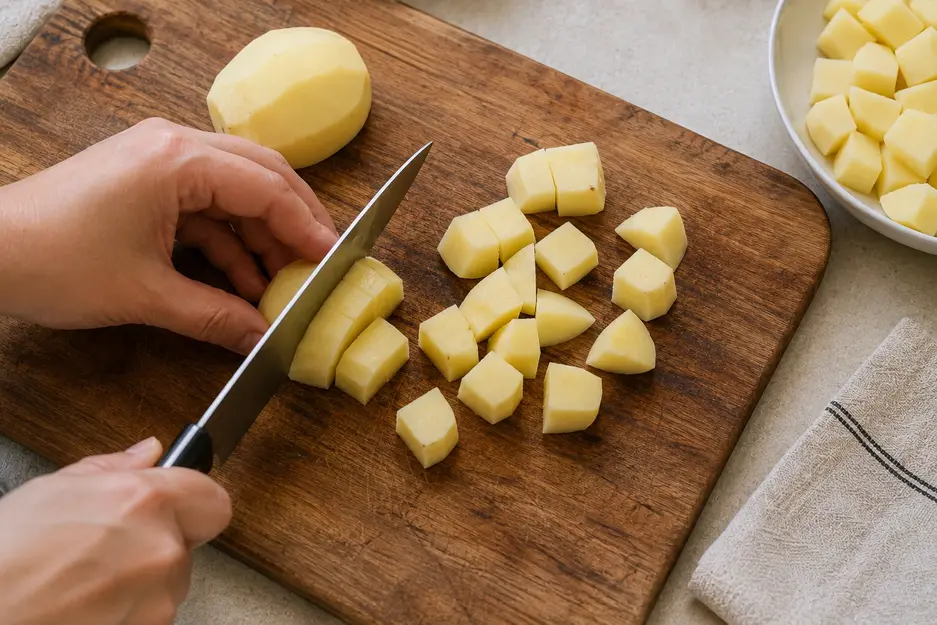
Cut the peeled potato into roughly one-inch pieces. Keeping the pieces similar in size helps them soften at about the same time, so you do not end up with some pieces still firm while others are falling apart. Smaller, even cubes also shorten cooking time and make the final mashing easier.
Step 4: Cook Until Very Soft
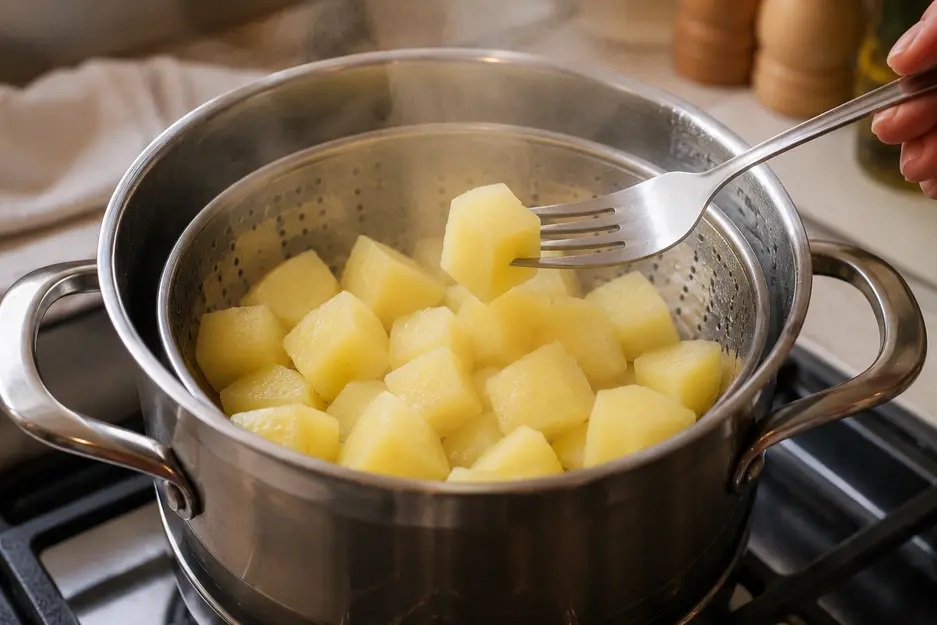
Steam or boil the potato pieces until a fork slides through them with almost no resistance, usually about 12 to 15 minutes depending on the size and variety. Steaming can reduce direct contact with cooking water, while boiling is perfectly practical and often more convenient. The most important point is tenderness: undercooked potato is harder to mash smoothly and is not appropriate to serve as firm chunks to a baby.
Step 5: Blend or Mash Gently
Transfer the cooked potato to a blender, food processor, or bowl. Add only a small amount of liquid at first. Pulse briefly, stop, check the texture, and repeat only if needed. If you prefer a thicker texture, a fork or potato masher may give you more control. Avoid running a high-speed blender continuously, because over-processing can release too much starch and make the puree sticky or gluey.
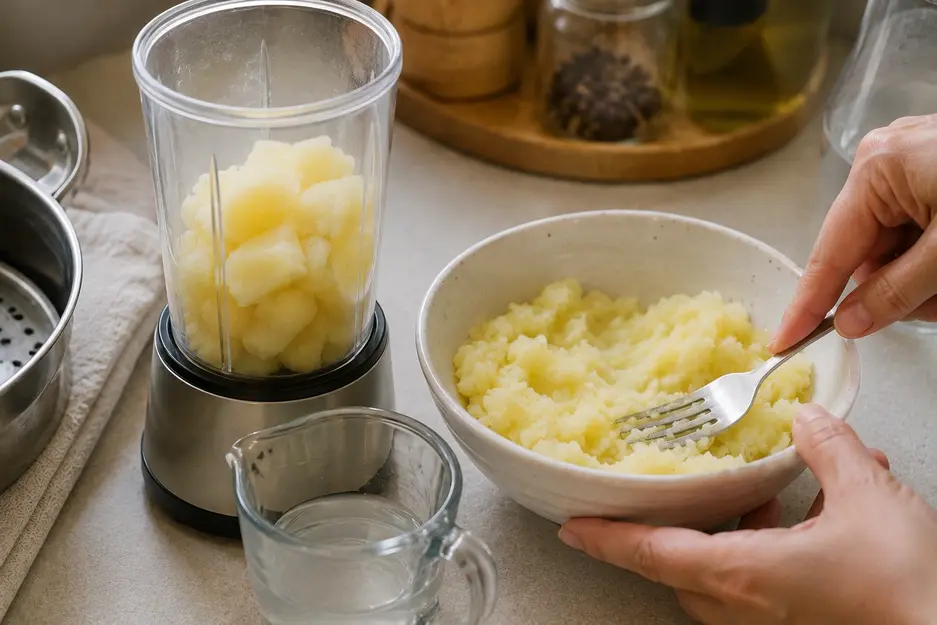
Step 6: Adjust the Consistency
Add water, breast milk, or correctly prepared formula one tablespoon at a time until the consistency suits your baby’s current eating skills. A baby just starting solids may manage a smooth soft texture, while a baby who is comfortable with thicker foods can have a more substantial mash. Development matters more than following a rigid texture calendar, so use your baby’s skills and professional feeding advice when deciding how much texture to offer.
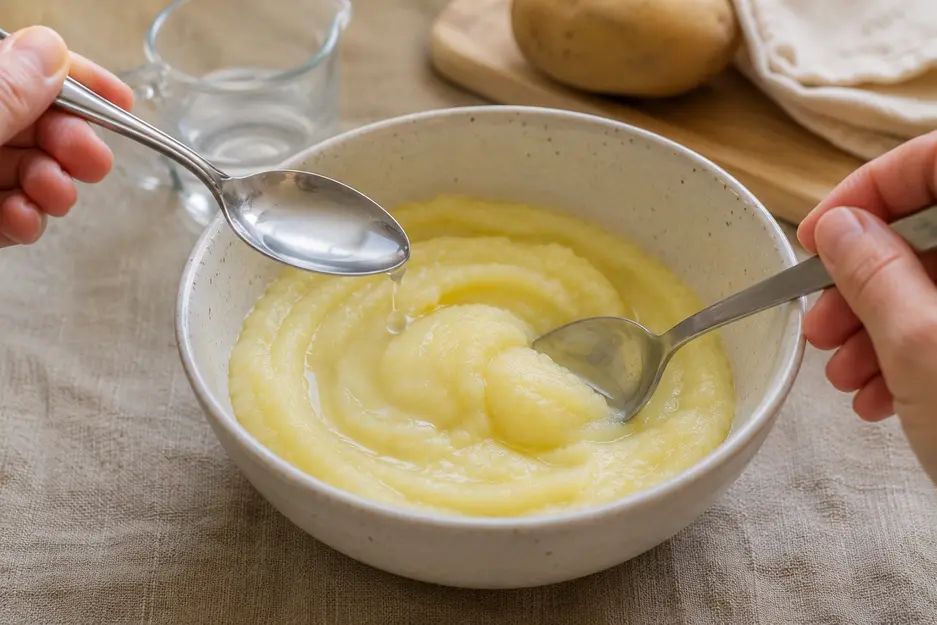
Step 7: Cool and Serve Safely
Let the potato cool until it is comfortably lukewarm before serving. Stir well, especially if it has been reheated, because pockets of heat can remain inside thicker foods. Stay close and supervise your baby throughout the meal. Once a used feeding spoon has gone back into the serving bowl, discard the contaminated leftovers instead of saving them for another meal.
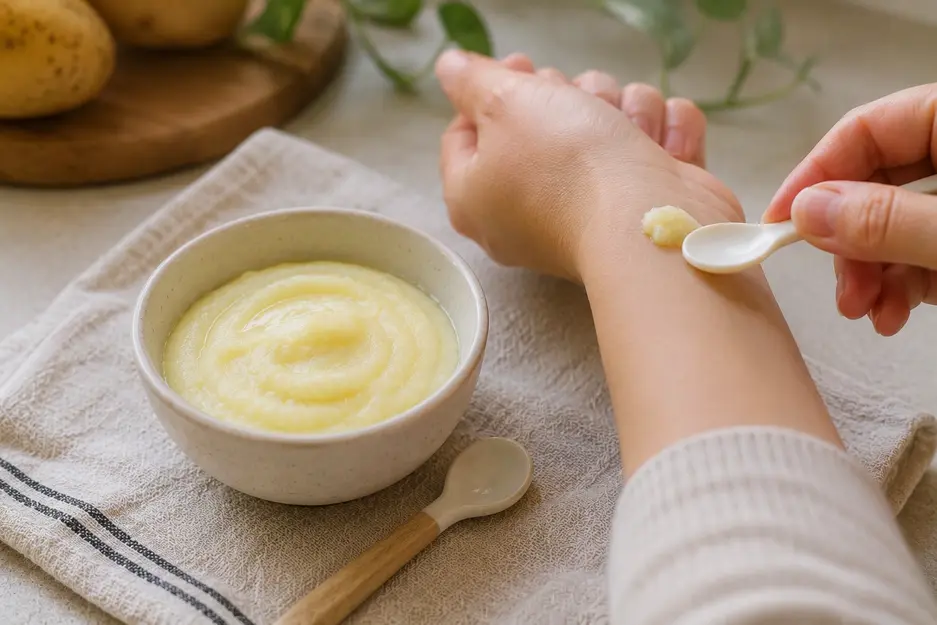
Texture Guide: Follow Skills, Not Just Age
Around the time solids begin—commonly around 6 months when a baby shows the signs of readiness—potato can be offered in a safely prepared soft form. Some families begin with smooth puree, while others use soft mash or appropriately prepared soft pieces. There is no need to keep every food completely smooth for a fixed number of months.
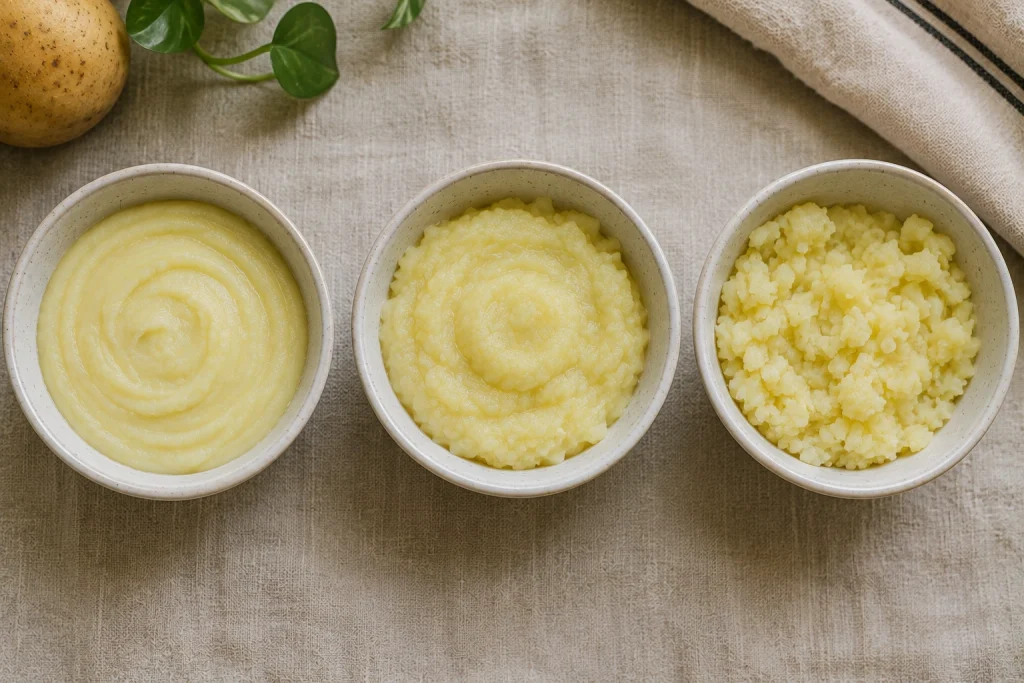
As eating skills develop, gradually offer more texture. A thicker mash encourages a different mouth feel than a thin puree, and later a very soft potato piece can support self-feeding when prepared in a developmentally appropriate shape. If your baby was born prematurely, has feeding difficulties, or has specific developmental or medical needs, ask your pediatrician or feeding professional for individualized guidance.
Expert Tips for Creamy Potato Puree
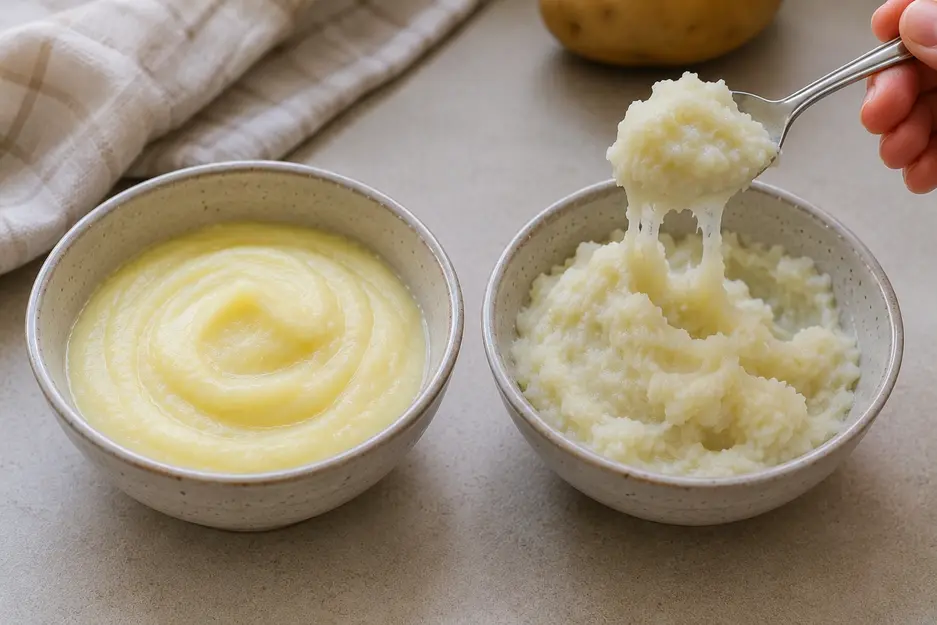
- Cook until completely soft. Firm centers make the puree harder to smooth.
- Add liquid gradually. It is easier to thin a thick puree than to rescue one that is watery.
- Pulse instead of running the blender continuously. Potato needs less processing than many fruit purees.
- For a thicker stage, mash with a fork instead of blending.
- If the puree becomes slightly gummy, stir in a little warm liquid by hand. It may loosen, although prevention works better than trying to fix an over-blended batch.
- Make a small batch the first time so you can see how your chosen potato variety behaves.
Easy Flavor Variations
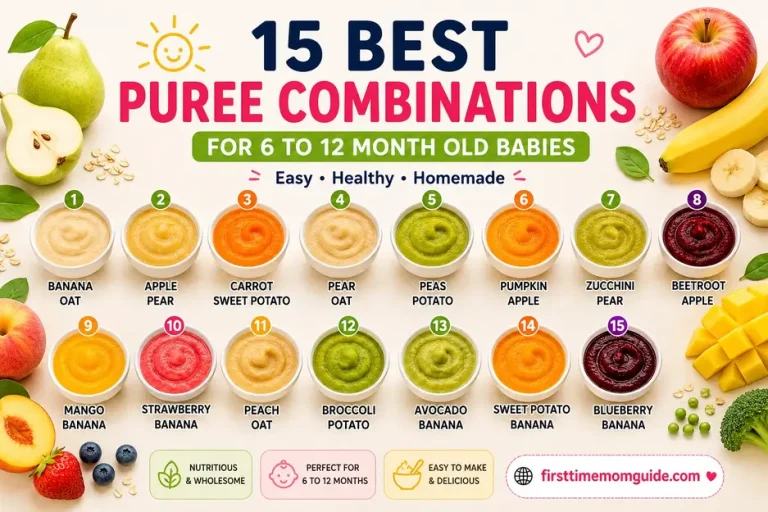
Once plain potato has been introduced, its mild flavor makes it easy to combine with foods your baby already tolerates. Keep combinations simple at first so it is still easy to recognize ingredients and notice any reaction to a newly introduced food.
You can also combine potato with pea puree for baby for a colorful vegetable pairing with a slightly different flavor and texture.
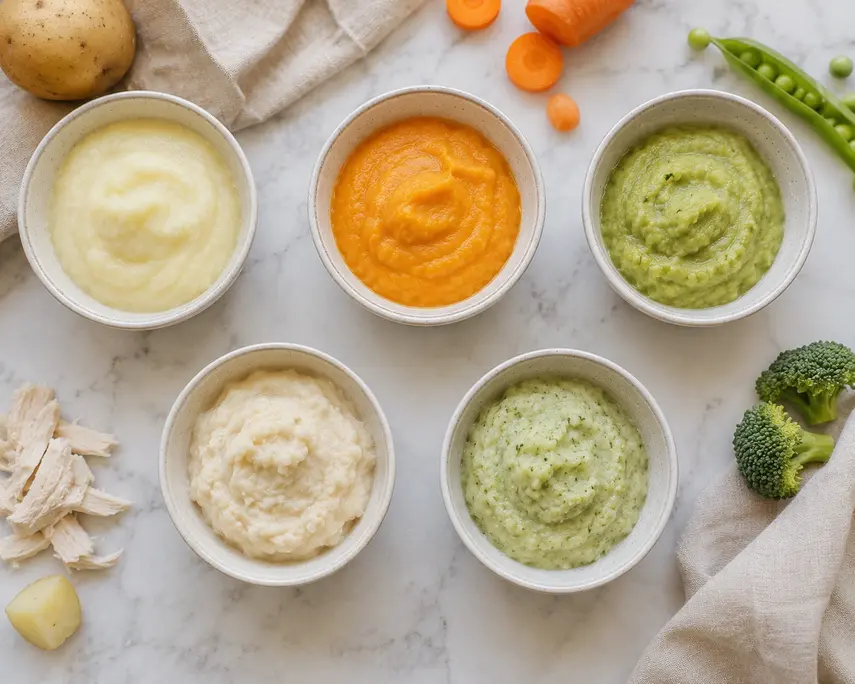
- Potato + carrot for a naturally sweeter vegetable blend
- Potato + peas for color, fiber, and plant protein
- Potato + broccoli for a thicker vegetable mash
- Potato + lentils for a more iron- and protein-focused plant-based meal
- Potato + chicken for a heartier savory combination
- Potato + spinach for a green vegetable blend
- Potato + sweet potato for a naturally creamy two-potato mash
- Potato + plain yogurt after dairy has been introduced safely
- Potato + mild cheese in a suitable texture after dairy introduction
Do not feel that every serving needs several ingredients. Plain foods are useful too, especially when your baby is learning flavors and textures. Variety can happen across the day and week rather than in every single bowl.
For a naturally sweeter combination, mix potato with carrot puree for baby once both foods have been introduced separately
Storage Instructions
Cool leftovers promptly and place them in a clean airtight container in the refrigerator. Use homemade potato puree within 1 to 2 days and keep the refrigerator at 40°F (4°C) or below. Store only untouched portions; food that has been eaten from with a used spoon should be discarded because saliva can introduce bacteria into the remaining food.
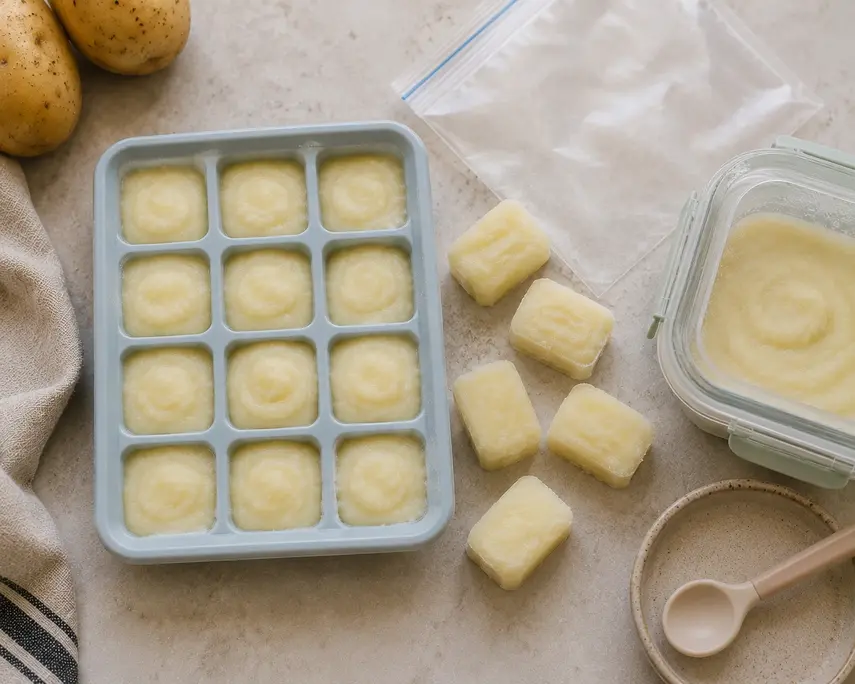
For longer storage, freeze small portions and then transfer them to a dated freezer-safe container or bag. About 1 month is a conservative target for best quality for this homemade cooked vegetable puree. Potato can become slightly grainy after freezing because its starch structure changes, so the thawed texture may not be identical to a freshly made batch.
How to Reheat Potato Puree
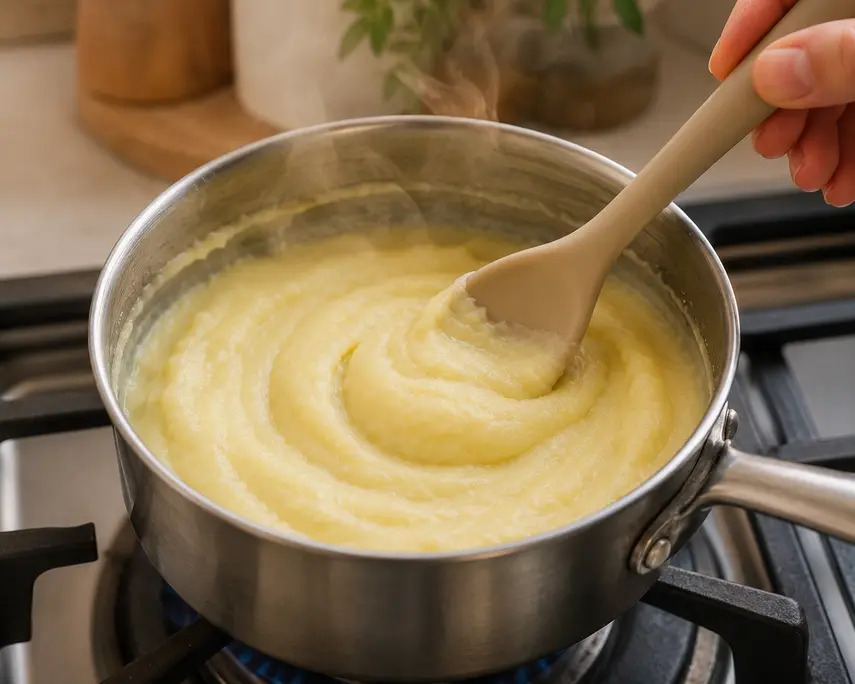
Thaw a frozen portion in the refrigerator. Reheat only what you need, either gently in a small saucepan or in a microwave-safe dish. When microwaving, heat in short intervals and stir very thoroughly between each one. Thick purees can develop hot spots even when the surface does not look very hot. Let the food stand briefly, stir again, and test that it is lukewarm before serving.
Serving Suggestions
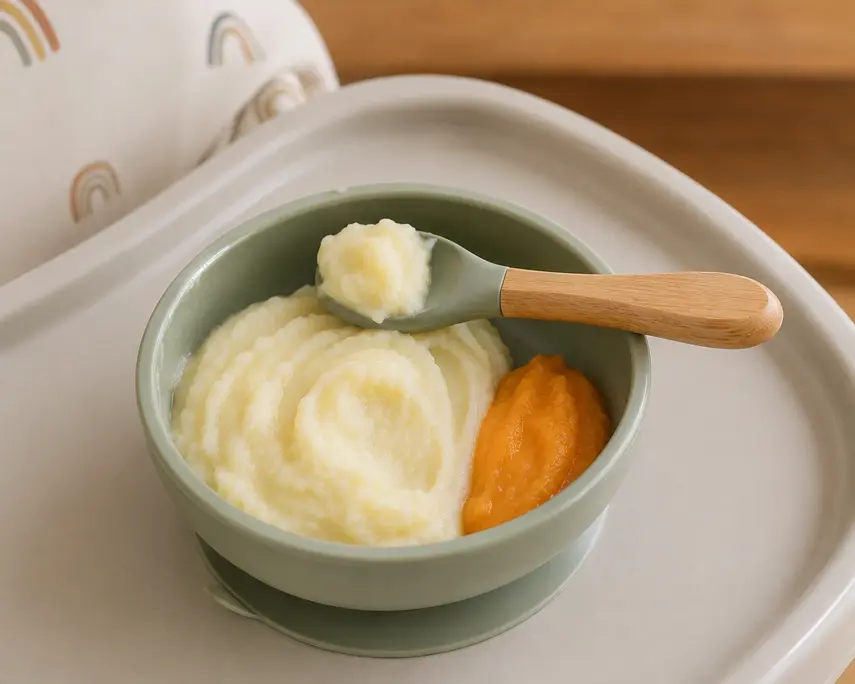
- Serve plain for the first introduction if you want the flavor to be easy to recognize.
- Pair with an iron-rich protein or legume as part of a more balanced meal.
- Stir in a familiar vegetable puree for a two-ingredient combination.
- Mix in plain yogurt after dairy has been introduced safely.
- Move toward thicker mash or very soft prepared potato pieces as your baby becomes skilled with more texture.
Potato Safety Notes for Babies
Green potatoes and sprouts deserve extra attention. Potatoes naturally contain glycoalkaloids, including solanine and chaconine, and concentrations can be higher in green areas, sprouts, and eyes. For baby food, choose a fresh potato whenever possible. Remove a small affected area generously, and discard potatoes that are extensively green, bitter, spoiled, or heavily sprouted. Cooking should not be treated as a way to make a badly green or sprouted potato suitable.
Potato is not considered a common food allergen, but any food can cause a reaction in an individual child. Introduce a new food in a small amount and watch your baby. Seek urgent medical help for signs of a severe allergic reaction, such as difficulty breathing, swelling of the tongue or throat, or marked lethargy. For choking safety, cook potato until very soft, use an appropriate texture and shape, seat your baby upright, and supervise throughout the meal.
Recipe Card
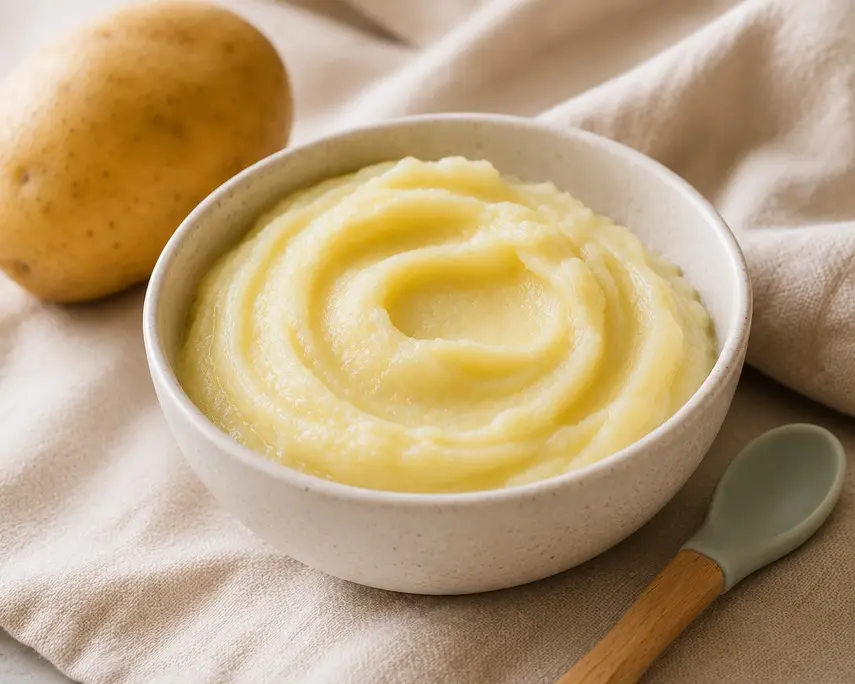
Potato Puree for Baby
Prep Time: 10 minutes | Cook Time: 12–15 minutes | Total Time: About 25 minutes | Yield: About 6–8 small baby portions, depending on serving size
Ingredients
- 2 medium potatoes, peeled and cubed
- Water, breast milk, or correctly prepared formula, as needed for consistency
Instructions
- Wash and peel the potatoes.
- Inspect for green areas, spoilage, or sprouts; use a fresh potato and discard one that is badly affected.
- Cut into roughly one-inch pieces.
- Steam or boil for about 12–15 minutes, until very soft and fork-tender.
- Blend in short pulses or mash, adding liquid gradually.
- Adjust the texture to your baby’s current eating skills.
- Cool to lukewarm, stir well, test the temperature, and serve under close supervision.
Storage: Refrigerate untouched leftovers promptly and use within 1–2 days. Freeze extra portions for about 1 month for best quality. Discard food contaminated by a used feeding spoon.
Recipe Note: Avoid over-blending, do not add salt for babies under 1 year, and progress texture according to developmental eating skills rather than a rigid age schedule.
Conclusion
Potato puree for baby is a simple recipe, but a few details make it much better: start with a fresh potato, cook it until completely soft, and blend gently so the starch does not turn gluey. From there, the texture can grow with your baby’s skills—from smooth puree to thicker mash and, when appropriate, very soft potato pieces.
The mild flavor also makes potato an easy base for vegetables, lentils, chicken, yogurt, and other familiar foods. Keep the first servings simple, avoid added salt, supervise every meal, and use variety across the week so potato is one part of a broader diet. With those basics in place, an everyday potato can become a practical, budget-friendly addition to your baby’s early meals.
Disclaimer:
This article is for general informational purposes and does not replace advice from your pediatrician or qualified feeding professional. Confirm that your baby is developmentally ready for solids and seek individualized guidance for allergies, feeding difficulties, prematurity, or other medical concerns.
FAQ’s
Q.1 Can babies eat potato puree regularly?
Yes. Potato can be part of a regular food rotation, but variety matters. Offer different vegetables, fruits, grains, protein foods, healthy fats, and iron-rich foods across the week instead of relying on one puree every day.
Q.2 Is potato a common allergen for babies?
No, potato is not considered a common allergen. Even so, introduce any new food thoughtfully and watch for a reaction, especially when your baby is early in the solids journey.
Q.3 Do I need to remove green spots or sprouts?
Yes. Glycoalkaloid levels can be higher in green areas, sprouts, and eyes. Remove a small affected area generously, but discard a potato that is extensively green, bitter, spoiled, or heavily sprouted.
Q.4 Can I mix potato puree with breast milk or formula?
Yes. A small amount can be mixed into the potato to adjust consistency. If using formula, prepare it exactly according to the manufacturer’s directions first; do not add extra water simply to make the puree thinner.
Q.5 Why did my potato puree turn gummy?
The most common reason is over-processing. Potato contains a lot of starch, and aggressive blending can create a sticky, gluey texture. Use short pulses, add liquid gradually, or mash by hand when you want a thicker result.