Baby Food Weekly Meal Plan for 6–9 Months+ 7-Day Rotation
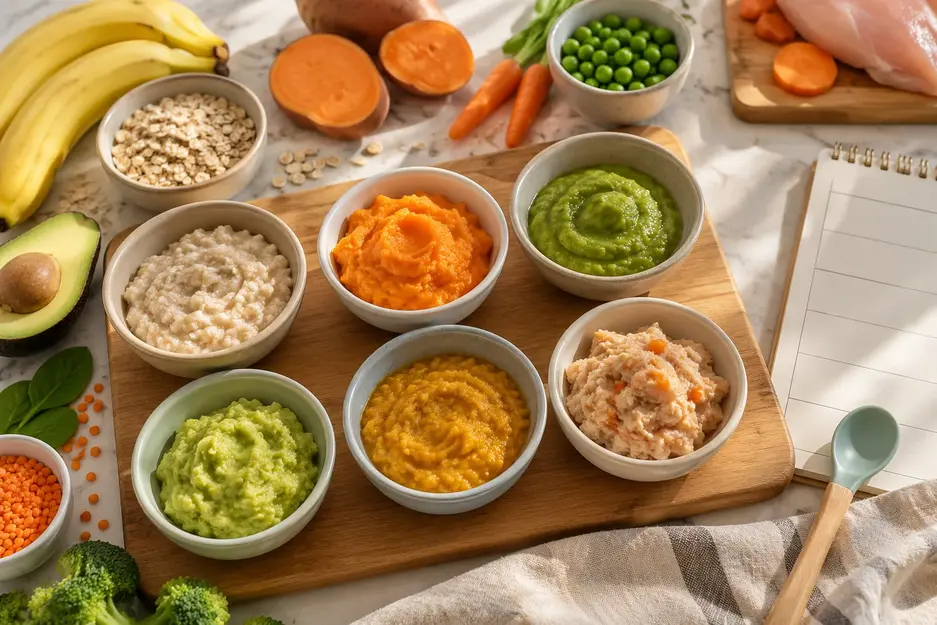
Starting solids can feel exciting for about five minutes until you realize you have to decide what to feed your baby again tomorrow. And the day after that. Should breakfast be oatmeal again? Is it time to add lunch? Does every meal need a fruit and vegetable? And when do you move beyond perfectly smooth purees?
This baby food weekly meal plan for 6–9 months takes away some of that daily guesswork. Instead of giving you a rigid schedule, it gives you a flexible 7-day rotation that can grow with your baby. At around 6 months, you may use only one meal idea from the plan each day. As your baby’s appetite and feeding skills develop, you can gradually use more of the breakfast, lunch, and dinner ideas.
Starting solids? Read our First Foods for Baby at 6 Months guide for simple, nutritious first-food ideas.
Before You Start: Is Your Baby Ready for Solids?
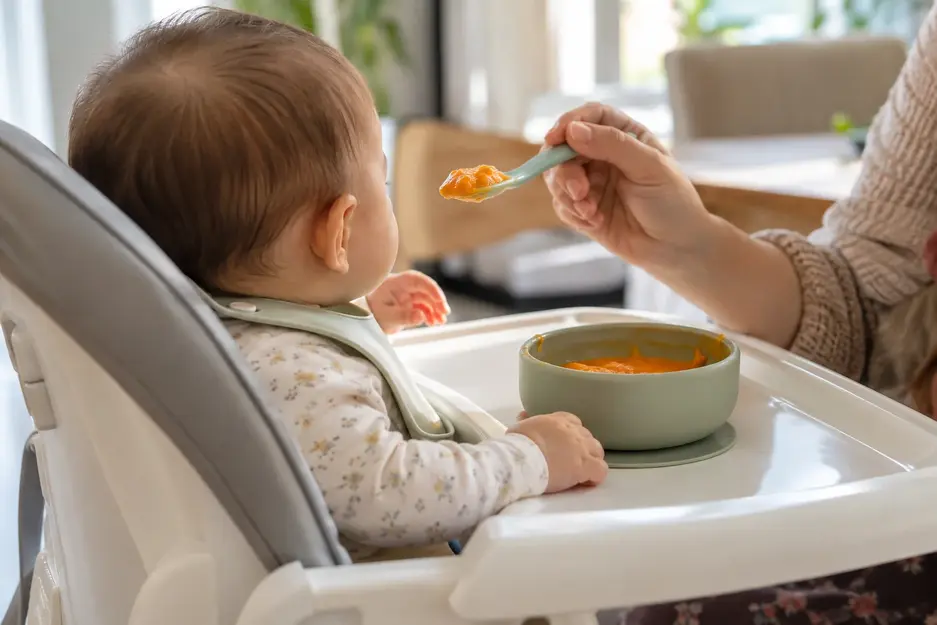
Age is only part of the picture. Many babies are ready to begin complementary foods at around 6 months, but developmental readiness matters too. Look for signs such as:
- Good head and neck control
- Sitting upright with support
- Showing interest in food
- Opening the mouth when food is offered
- Being able to move food back and swallow it rather than automatically pushing everything out
If your baby isn’t showing these signs yet, there is no need to race another baby to the first spoonful.
A simple reminder
Starting solids is complementary feeding. It doesn’t mean suddenly replacing breast milk or infant formula with three full meals.
Think of the first weeks as practice: tasting, touching, learning to swallow, experiencing new textures, and gradually discovering that food is part of the day.
How to Use This Baby Food Weekly Meal Plan
The breakfast, lunch, and dinner columns later in this guide are meal ideas, not a requirement to serve three solid meals every day.
A baby who has just started solids may only need you to choose one idea from the chart. An older baby who is comfortably eating solids may use two or eventually more of the meal ideas. Follow your baby’s hunger and fullness cues rather than trying to complete the chart.
Around 6 Months: Keep It Simple
Start gradually with small amounts of soft food.
Many babies find smooth mashed, pureed, or strained foods easiest at first. Foods such as oatmeal, sweet potato, avocado, lentils, meat and soft vegetables can all fit into an early rotation when prepared in an age-appropriate texture.
Don’t worry about creating an elaborate menu. One nutritious food can be a meal.
Around 7–8 Months: Build Variety and Texture
As eating skills improve, gradually make foods thicker and less perfectly smooth.
This is also a useful stage for combining foods your baby has already tolerated.
- Oatmeal + banana
- Sweet potato + lentils
- Peas + potato
- Chicken + carrot
- Plain yogurt + mashed fruit
- Broccoli + potato
The aim isn’t to make every meal complicated. Familiar foods can keep appearing while one new taste or texture is added.
Around 9 Months: Move Toward Family-Food Textures
By around 9 months, many babies are becoming more comfortable with mashed, lumpy, finely chopped, ground, or appropriately prepared soft finger foods.
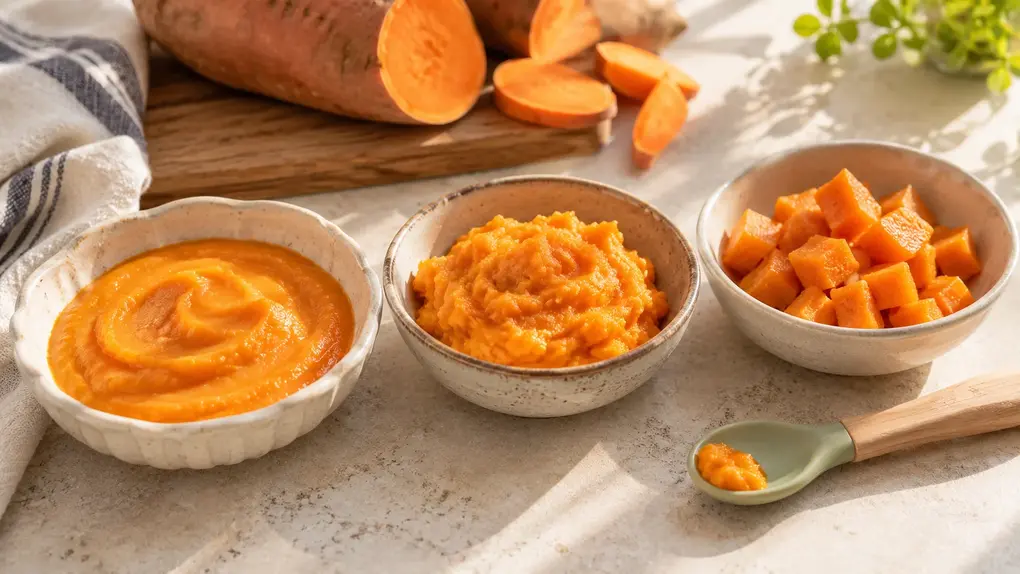
A smooth sweet potato puree from the early weeks might now become thicker mashed sweet potato. Pureed chicken and vegetables might become a soft minced mixture. A banana that was once blended can become mashed or offered in a developmentally appropriate finger-food form.
The ingredients don’t always need to change. The texture can grow with your baby.
Why Iron-Rich Foods Deserve a Regular Place
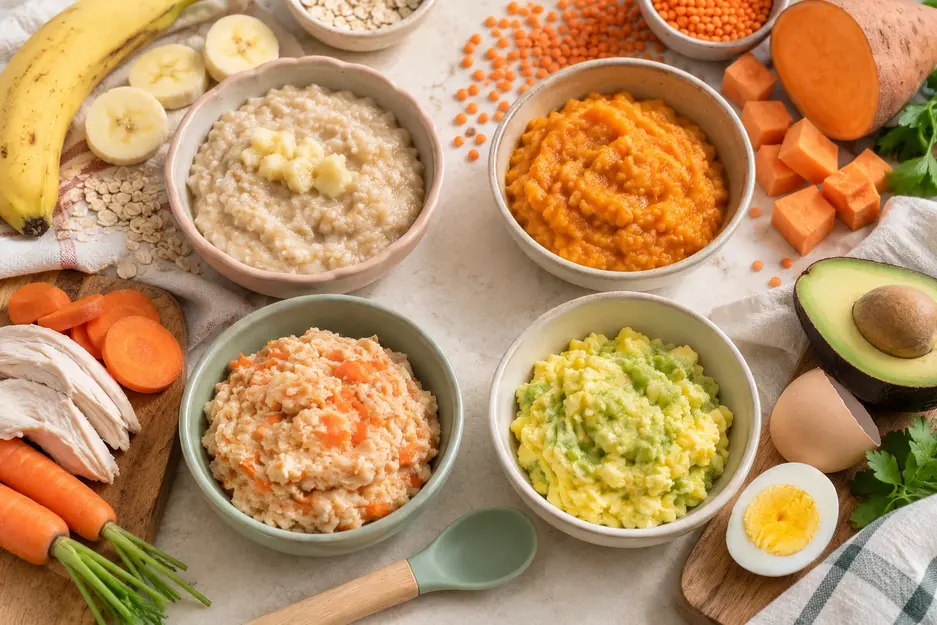
Around 6 months, babies need additional dietary sources of iron as complementary feeding begins. That is why this meal plan doesn’t consist entirely of colorful fruit and vegetable purees.
- Iron-fortified infant cereal
- Meat
- Lentils and beans
- Eggs, once introduced appropriately
Pairing nutrition with practicality is important. You don’t need a completely different iron-rich recipe every day. If your baby accepts lentils, for example, they can return later in the week alongside a familiar vegetable.
Easy iron-rich meal ideas
- Iron-fortified oatmeal + mashed banana
- Lentils + sweet potato
- Chicken + carrot
- Egg + avocado, once egg has been safely introduced
Repeated ingredients make shopping and batch cooking easier while still giving your baby opportunities to experience different foods.
Introducing New Foods and Common Allergens
When your baby is first learning to eat, introducing foods individually makes it easier to notice a possible reaction. You don’t need to spend months serving only single-ingredient purees, though. Once individual ingredients have been introduced and tolerated, begin combining familiar foods.
Common allergenic foods include egg, peanut, dairy, wheat, soy, sesame, fish and shellfish. Current guidance does not recommend routinely delaying allergenic foods simply to prevent allergies.
Always use an infant-safe form. For example, whole peanuts and spoonfuls or chunks of peanut butter are choking hazards. Smooth peanut butter can instead be thinned appropriately and mixed into a familiar food. If your baby has severe eczema, an existing food allergy, or has reacted to a food, discuss allergen introduction with your pediatrician.
7-Day Baby Food Rotation
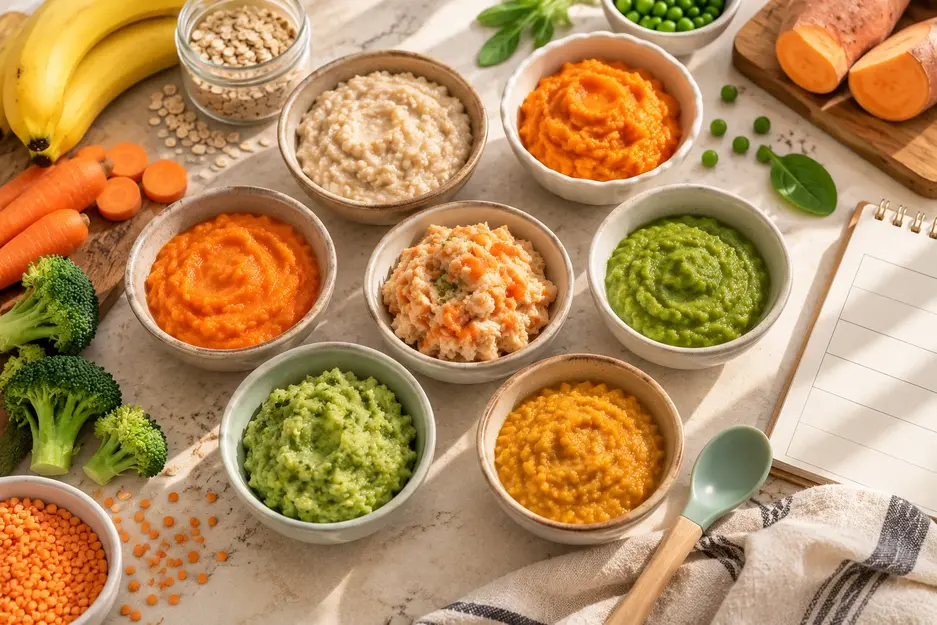
How to use the chart
This chart gives you three ideas for each day so it can grow with your baby. For a new eater, choose one suitable meal. As your baby progresses, you can use more of the ideas according to appetite, feeding skills and your pediatrician’s guidance. There is no prize for completing every box.
| Day | Breakfast Idea | Lunch Idea | Dinner Idea |
| Monday | Iron-fortified oatmeal | Sweet potato | Pea + potato |
| Tuesday | Oatmeal + banana | Carrot | Broccoli + potato |
| Wednesday | Iron-fortified cereal + fruit | Sweet potato + apple | Chicken + carrot |
| Thursday | Oatmeal + blueberry | Pea + avocado | Cauliflower + lentils |
| Friday | Iron-fortified cereal | Carrot + apple | Lentil + sweet potato |
| Saturday | Oatmeal + avocado | Broccoli + pear | Chicken + vegetable |
| Sunday | Oatmeal or iron-fortified cereal | Spinach + apple pancake or age-appropriate alternative | Chicken + carrot |
Important: Only serve combinations after their ingredients have been introduced appropriately. Adjust every meal’s texture to your baby’s current feeding skills.
Add more variety to your weekly plan with these easy Banana Baby Food Combinations.
Turn One Weekly Plan Into Three Stages
One of the easiest ways to make baby meal planning sustainable is not to create a completely new menu every month. Change the preparation instead.
Sweet Potato
- Beginning: smooth mashed or pureed sweet potato
- Progressing: thicker sweet potato mash
- Later: very soft pieces prepared in a developmentally appropriate shape
Lentils
- Beginning: smooth lentil puree
- Progressing: thicker mashed lentils
- Later: soft lentils incorporated into a thicker vegetable meal
Chicken + Carrot
- Beginning: smoothly pureed chicken and carrot
- Progressing: thicker blended mixture
- Later: finely minced or shredded soft chicken with appropriately prepared carrot, when your baby has the skills to manage it safely
This approach means your grocery list doesn’t need to become more complicated just because your baby is developing.
See our Baby Food Chart 6 to 12 Months for an easy age-by-age feeding guide.
An Easier Batch-Cooking System
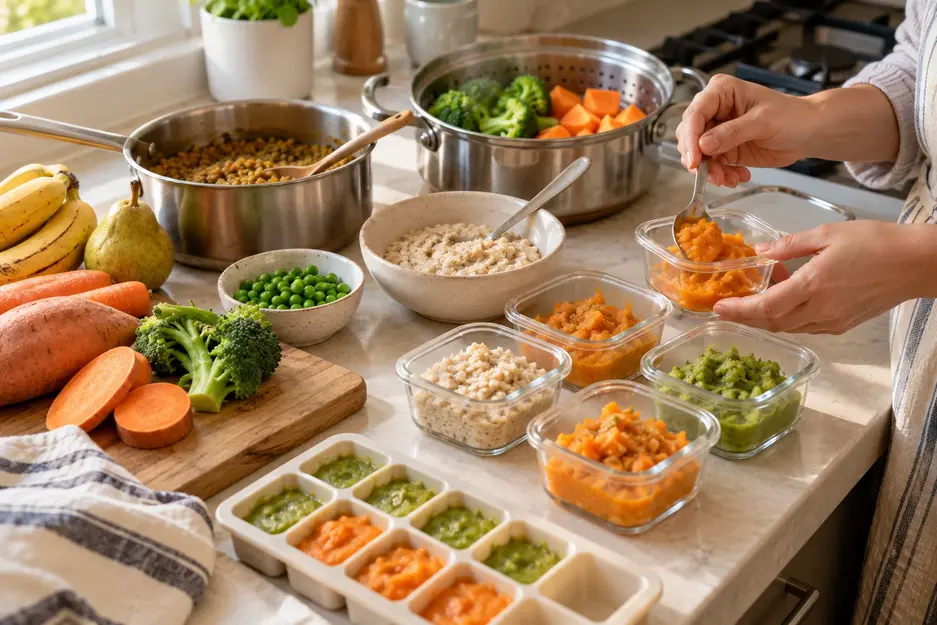
You do not need to cook 21 individual baby meals every week. Choose a few versatile foods and let them work across several meals.
- 1 grain: oatmeal
- 2 vegetables: sweet potato + broccoli
- 1 protein/iron food: lentils or chicken
- 1–2 easy fruits: banana + pear
Then combine foods that your baby has already tried. Sweet potato can appear alone one day and with lentils later. Oatmeal can be plain at one meal, then paired with banana or another tolerated fruit. Broccoli can be served alone or mixed with potato.
That gives your baby repetition without making every day identical.
Purees, Mixed Feeding or Baby-Led Weaning?
You don’t have to belong to one feeding “team.” Some families prefer spoon-fed purees. Some use baby-led weaning. Many naturally use a combination of both.
The foods in this rotation can often be adapted to different feeding styles by changing their preparation. A carrot might be served mashed in one family and as an appropriately cooked and prepared finger food in another.
- Is my baby developmentally ready?
- Is the texture and shape appropriate for my baby’s skills?
- Is my baby sitting safely and being supervised?
Choose the approach that works safely and realistically for your family.
Baby Feeding Safety: Don’t Skip This Part
As textures become more interesting, safety becomes even more important. Always have your baby sitting upright in a safe high chair or feeding seat while eating, and supervise meals closely.
Prepare foods in a size, shape and texture appropriate for your baby’s developmental abilities. Common choking hazards include foods such as:
- Whole nuts
- Whole grapes
- Popcorn
- Hard raw vegetables
- Chunks of meat or hard cheese
- Thick chunks or spoonfuls of nut butter
- Other small, hard, sticky or difficult-to-chew foods
Also remember: No honey before 12 months. Cow’s milk can be used in some foods and age-appropriate dairy foods such as unsweetened yogurt can be introduced during infancy, but cow’s milk should not replace breast milk or infant formula as the main drink before 12 months.
Storage, Freezing and Reheating
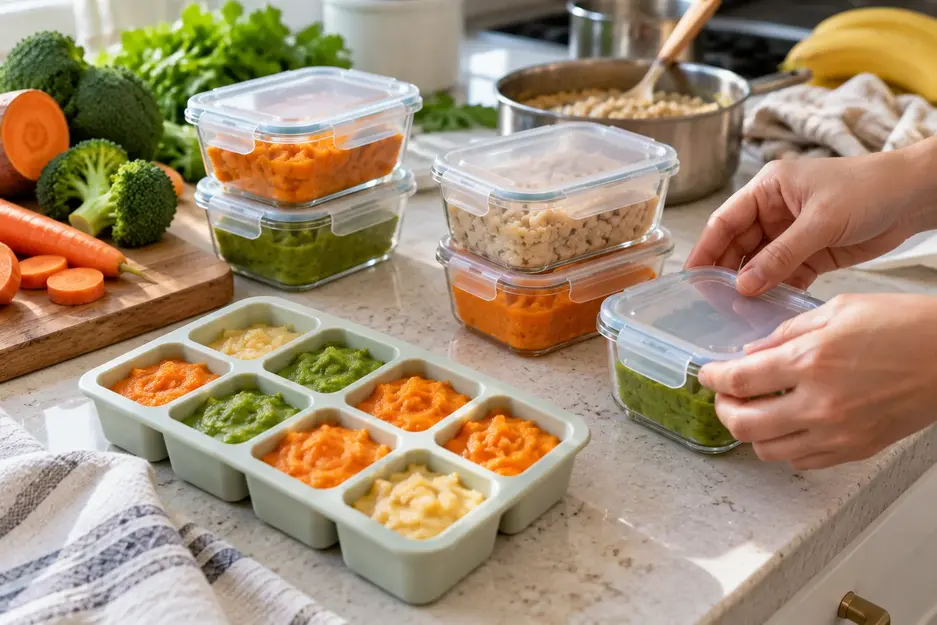
Refrigerator
Store homemade baby food promptly in clean, covered containers and follow safe storage guidance for the specific ingredients used.
Freezer
Freezing small portions can make weekly meal planning much easier. Silicone freezer trays or small freezer-safe containers allow you to thaw only what you need.
Thawing
Thaw frozen food safely in the refrigerator or use another safe thawing/reheating method rather than leaving baby food sitting at room temperature for long periods.
Reheating
Heat food thoroughly where appropriate, stir well particularly after microwave heating and allow it to cool to a safe temperature before serving.
Don’t save food from baby’s used bowl
Once a spoon that has been in your baby’s mouth goes back into the food, bacteria can be transferred. Put only the portion you expect your baby to eat into the serving bowl and keep the remaining batch separate.
What If Your Baby Refuses a Food?
Don’t automatically cross it off the menu. Learning to eat involves new smells, textures and tastes, and babies may need repeated opportunities to become familiar with a food.
If broccoli ends up on the bib instead of in the mouth today, that’s okay. Keep mealtimes low-pressure and offer appropriate foods again on another occasion.
This is one reason repetition is intentionally built into this weekly rotation. Your job is to offer suitable foods. Your baby can decide whether and how much to eat.
Common Meal-Planning Mistakes
Trying to serve three full meals immediately
The breakfast, lunch and dinner ideas in a weekly planner are options. Build meal frequency gradually instead of treating every box as something your baby must eat.
Offering mostly fruit
Fruit is nutritious, but early feeding should also include vegetables, grains and appropriate iron-rich foods.
Delaying texture changes
Don’t keep every food perfectly smooth simply because puree is familiar. As your baby’s eating abilities develop, gradually introduce suitable thicker, mashed and lumpy textures.
Changing foods constantly
Variety matters, but so does familiarity. Reusing ingredients makes meal planning easier and gives your baby repeated opportunities to experience them.
Making a separate recipe for every meal
You will probably burn out before your baby finishes the week. Cook a few flexible ingredients and rotate them.
Comparing your baby with someone else’s
Development isn’t a competition. One baby may enthusiastically explore finger foods while another is still getting comfortable with a spoon. Follow your baby’s skills and cues.
Quick Age-by-Age Reference
| Stage | Meal Approach | Texture Direction | Main Focus |
| Around 6 months | Begin gradually | Smooth, mashed, pureed or strained foods can be easier initially | Learning to eat + nutrient-rich first foods |
| 7–8 months | Gradually expand meals according to appetite and skills | Thicker mashed foods and increasing texture | Variety + repeated exposure |
| Around 9 months | Continue progressing toward a family meal routine | Mashed, lumpy, finely prepared and appropriate soft finger foods | Texture + self-feeding skills |
These are general developmental directions, not deadlines.
Your Simple Weekly Formula
- Choose a few nutritious foods.
- Include iron-rich options regularly.
- Repeat familiar foods.
- Introduce new foods thoughtfully.
- Progress the texture as your baby develops.
- Let your baby’s cues guide how much gets eaten.
That’s a much more realistic way to approach a baby food weekly meal plan than trying to create 21 perfect miniature meals every week.
Make Your Own 7-Day Baby Food Planner
Use the rotation above as inspiration, then create a simple fridge planner with Monday through Sunday and three spaces beside each day: Breakfast idea | Lunch idea | Dinner idea.
For younger babies, simply leave unused meal spaces blank.
- Foods already introduced: __________
- New food this week: __________
- Iron-rich foods prepared: __________
- Foods to batch cook: __________
This turns the meal plan into something you can actually use rather than another feeding guide you read once and forget.
conclusion
A baby food weekly meal plan for 6–9 months should make feeding easier, not give you another schedule to worry about. Start with the number of feeding opportunities that suits your baby’s current stage. Keep nutritious familiar foods in the rotation, include iron-rich choices, introduce new foods thoughtfully, and let textures develop alongside your baby’s eating skills. You don’t need seven different breakfasts, seven different lunches and seven different dinners. A handful of simple foods oatmeal, vegetables, fruit, lentils, eggs or meat, depending on what your baby has introduced can become an entire week of meals when they’re rotated thoughtfully.And if Tuesday’s carefully prepared broccoli ends up mostly on the high-chair tray? That’s part of learning to eat too.
Desclaimer
This guide provides general educational information and is not a substitute for individualized medical advice. Babies develop at different rates. Talk with your pediatrician or another qualified healthcare professional if you have questions about your baby’s growth, readiness for solids, iron needs, allergies, feeding difficulties or specific nutritional requirements.
FAQ’s
Q.1 How many solid meals should a 6-month-old eat?
There isn’t one meal count that every baby must suddenly follow on their six-month birthday. Start solids gradually when your baby is developmentally ready and build feeding opportunities as skills and appetite develop. Breast milk or infant formula remains an important part of nutrition during this stage.
Q.2 Do babies need iron-rich foods every day?
Iron becomes an important consideration when complementary foods begin. Include appropriate iron-rich options regularly, such as iron-fortified infant cereal, meat, lentils, beans or eggs, depending on what your baby has safely introduced.
Q.3 Can I use this meal plan for baby-led weaning?
Yes. The rotation is based on ingredients rather than one feeding method. Adapt each food into a developmentally appropriate texture and shape for your chosen feeding approach.
Q.4 Can my baby eat peanut butter or egg?
Common allergenic foods do not generally need to be delayed once a baby is developmentally ready for solids. They must be offered in safe infant forms. Never give whole peanuts or thick chunks of peanut butter. Babies with severe eczema, egg allergy, known food allergy or a previous reaction need individualized medical guidance.
Q.5 When should I move away from smooth purees?
Begin increasing texture as your baby’s eating skills develop. Smooth foods may be easier initially, but thicker, mashed and lumpy foods can gradually be introduced rather than keeping every meal completely smooth for months.