Baby Items You Don’t Need: 15 Things First-Time Moms Skip
A crowded registry doesn’t make you a more prepared parent it just makes your closet harder to close. Most lists of baby items you don’t need get written by people trying to sell you the “better” version of the same thing. This one won’t do that. Below are 15 items that commonly end up unused, donated, or returned within the first few months, based on what pediatric guidance actually supports and what repeatedly shows up in parent forums, registry return data, and nursery organization advice.
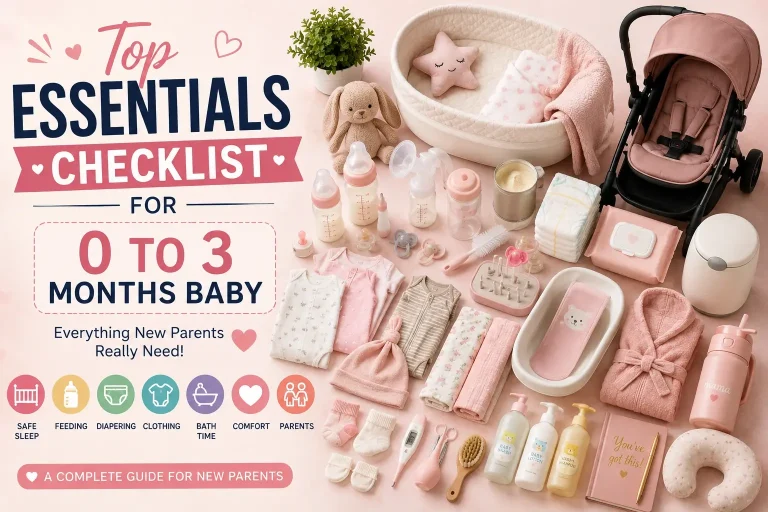
Not sure what actually belongs on your registry? Start with this 0–3 month baby essentials checklist.
What Baby Items Do You Not Need?
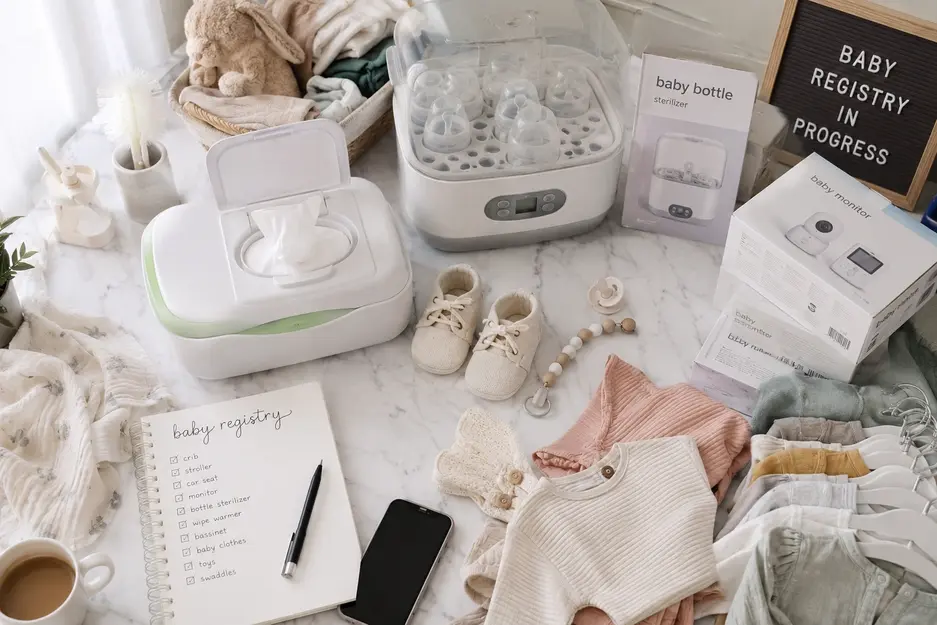
Baby items you don’t need generally fall into three groups: products marketed as “essential” that duplicate something you already own, gadgets solving a problem that rarely happens, and items babies outgrow before they get real use. Common examples include wipe warmers, crib bumpers, bottle warmers, and bulk newborn-size diapers. The honest test is whether an item solves a real, frequent problem not whether it looks good in a nursery photo.
Nursery and Sleep Items You Can Skip
Wipe Warmers
A wipe warmer heats wipes to body temperature, which sounds thoughtful until you realize most babies don’t notice or care. Cold wipes wake a baby up faster during night changes, which some parents actually prefer. It’s one more device to clean, refill, and eventually unplug for good.
Crib Bumpers
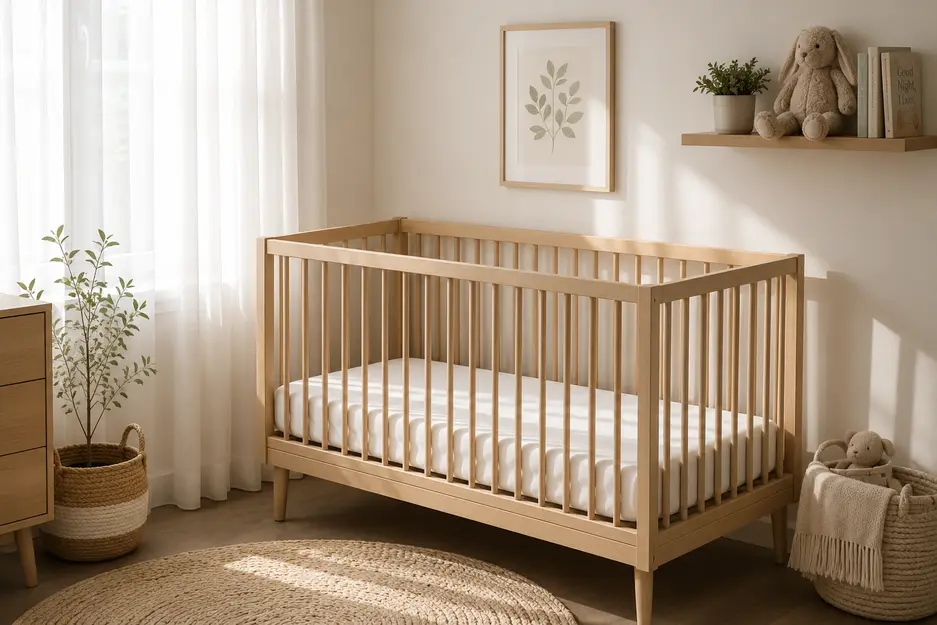
This one matters for safety, not preference. The American Academy of Pediatrics recommends against crib bumpers because of suffocation and strangulation risk, and a bare crib with a fitted sheet is the current safe-sleep standard. If a crib set comes with a bumper, it’s worth setting aside rather than installing.
An Extra Bassinet When You Already Have a Crib
Bassinets are genuinely convenient for bedside sleeping in the first weeks, but buying one in addition to a crib you plan to use by month two or three often means paying twice for the same function. Many families do fine go straight to a crib with a firm, flat mattress from the start.
Expensive Electronic Crib Mobiles
High-end mobiles with app controls and rotating lights are pleasant, but a newborn’s vision is blurry and mostly limited to high-contrast shapes in the first months. A simple, inexpensive mobile does the same visual job as a $150 one.
Feeding Items Many Parents Skip
Bottle Warmers
Bottle warmers promise convenience, but warm water in a cup does the same job in about the same amount of time, without a countertop appliance to store. Breast milk and formula don’t need to be heated at all many babies drink both at room temperature just fine.
Baby Food Makers
A baby food maker steams and blends in one machine, but a regular blender or food processor you likely already own does the same task. Unless you’re making large weekly batches, the extra appliance mostly takes up cabinet space.
Formula Dispensers
Pre-portioned formula dispensers are marketed for on-the-go convenience, but a labeled snack container or the formula tub’s own scoop works the same way for a fraction of the cost.
Bottle Sterilizing Machines
Boiling water or a dishwasher’s sanitize cycle sterilizes bottles just as effectively as a dedicated machine, according to standard pediatric feeding guidance. Unless you’re sterilizing dozens of bottles daily, a machine solves a problem most households don’t have.
Clothing and Gear Mistakes First-Time Moms Make
Shoes Before Baby Walks
Shoes on a baby who isn’t walking serve no functional purpose they don’t support development, and pediatric guidance generally favors bare feet or soft-soled socks for indoor movement before walking begins. They’re cute for photos and little else.
Too Many 0–3 Month Outfits
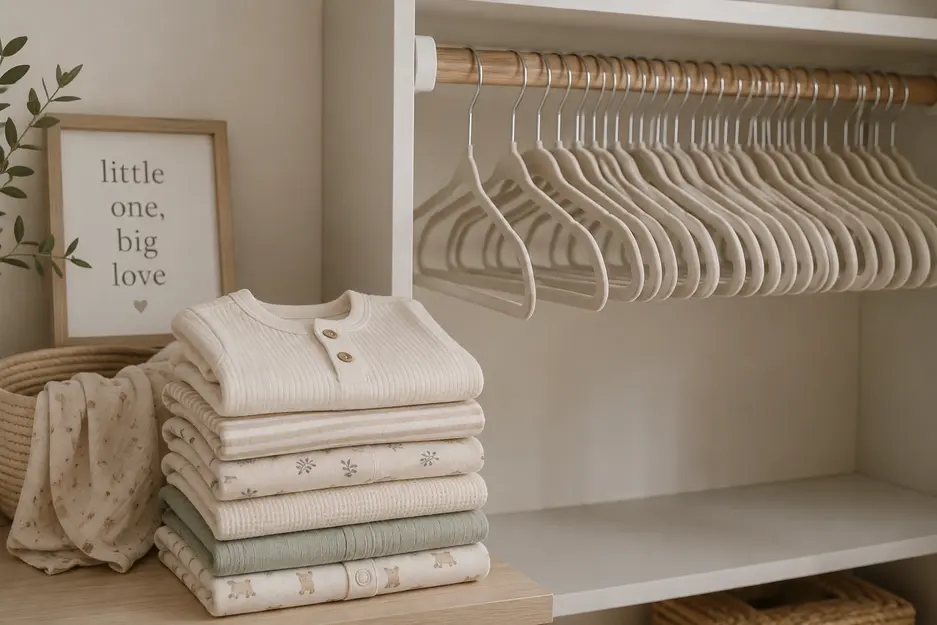
Newborns move through the 0–3 month size faster than almost any other stage, sometimes in under six weeks. A closet full of tiny outfits often means most get worn once, if at all, before they no longer fit.
High-End Diaper Bags
A designer diaper bag holds the same items as a $25 backpack: diapers, wipes, a change of clothes, and snacks. The price difference buys a logo, not more storage.
Baby Knee Pads for Crawling
Marketed to protect knees during crawling, these pads solve a problem most babies don’t have babies naturally adjust their crawling style if a surface feels uncomfortable, and thick carpet or a play mat handles the rest.
Bath and Diapering Extras
Specialty Diaper Pails (and Their Refill Cartridges)
Branded diaper pails require ongoing, proprietary refill cartridges that cost more over time than a regular trash can with a tight lid and standard bags. The ongoing cost is the part most registries don’t mention.
Baby-Specific Laundry Detergent
Dermatologists commonly note that fragrance-free, dye-free detergent works well for babies without needing a separate “baby” label, which is often the same formula at a higher price. Checking the ingredient list matters more than the packaging.
Bulk Newborn-Size Diapers
Newborns can outgrow the smallest diaper size within two to four weeks. A large bulk pack purchased before birth often ends up half-used and donated once baby moves into the next size.
Baby Items You Don’t Need vs. What Actually Earns a Spot
| Skip This | Why It’s Often Unnecessary | Better Alternative |
| Wipe warmer | Solves a preference, not a problem | Regular wipes |
| Crib bumper | Safety risk per AAP guidance | Bare crib, fitted sheet only |
| Bottle warmer | Warm water does the same job | Cup of warm water |
| Baby food maker | Duplicates a blender you own | Standard blender/processor |
| High-end diaper bag | Price pays for branding | Any sturdy backpack |
| Bulk newborn diapers | Baby outgrows the size fast | Buy one small pack, size up as needed |
This comparison makes one thing clear: most baby items you don’t need aren’t bad products they’re just solving problems that don’t come up often enough to justify the cost or clutter.
What to Buy Instead
Redirecting that budget toward a few genuinely useful basics tends to matter more than any single gadget: a reliable car seat, a handful of size-appropriate outfits bought closer to when you’ll need them, and a simple diapering setup you can restock easily. None of these need a premium label to work well.
Want the short version of what’s truly worth buying? See our mom-tested baby essentials list.
Conclusion
Building a baby registry doesn’t need to mean buying every product marketed as essential most baby items you don’t need are simply solving rare problems at a real cost in money and space. A shorter, more intentional list usually serves a new family better than a longer one. Before adding anything else to your cart, ask whether it solves something that happens often, or something that just sounds nice in theory.
Planning ahead? Here’s what changes with our 6–12 month baby essentials guide.
Disclaimer:
This list reflects common parent experiences and general pediatric safety guidance, not a substitute for advice from your own pediatrician. What counts among baby items you don’t need can vary by family circumstance, so use your own judgment alongside professional guidance for anything safety-related.
FAQ’s
Q1: Do I really need a wipe warmer?
No. It’s a comfort preference, not a necessity, and many parents stop using it within the first month.
Q2: Are crib bumpers actually dangerous?
Current AAP guidance recommends against them due to suffocation and strangulation risk, so most pediatricians suggest a bare crib with just a fitted sheet.
Q3: Is a baby food maker worth buying?
For most families, no a regular blender or food processor handles pureeing just as well.
Q4: Should I buy a lot of newborn-size clothes and diapers in bulk?
It’s generally better to buy small quantities at first, since babies grow out of newborn and 0–3 month sizes quickly.
Q5: What’s the one item most first-time moms wish they’d skipped?
Bottle warmers and wipe warmers come up most often in parent discussions as purchases that ended up unused.